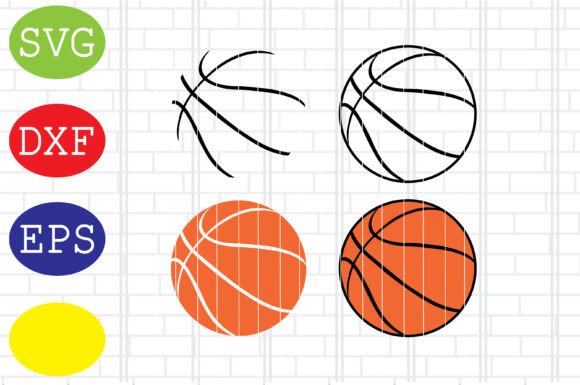
Unlocking Creative Potential with Basketball SVG Cut Files
For designers, entrepreneurs, and crafters, the right visual asset can transform a project from ordinary to extraordinary. Basketball SVG cut files, along with their complementary formats like DXF, JPG, and EPS, are more than just simple clipart. They are versatile design tools that capture the energy, motion, and passion of the sport. Whether you're building a brand for a local league, creating merchandise for fans, or designing social media content, understanding how to leverage these assets is key to producing professional and engaging work.
Understanding the Asset: More Than Just a Ball
A high-quality basketball SVG file isn't a single image. It's a comprehensive toolkit delivered as a zip file containing multiple formats. The SVG (Scalable Vector Graphics) file is the star, offering infinite scalability without pixelation, perfect for everything from a tiny icon on a website to a massive banner. The DXF file is essential for compatibility with cutting machines like Cricut and Silhouette, enabling precise vinyl decals and stencils. The JPG provides a raster image for digital use or quick mockups, while the EPS file ensures compatibility with professional vector software like Adobe Illustrator.
The visual personality of these assets ranges widely. You might find dynamic action silhouettes of a player mid-dunk, clean minimalist outlines of a basketball, or bold, graphic icons featuring hoops and nets. The style can be modern and geometric, retro and textured, or hand-drawn and energetic. This variety allows you to match the asset's tone to your project's voice—whether it's serious and competitive or fun and recreational. The appeal lies in this flexibility; a single download can serve multiple creative directions.
Strategic Applications Across Projects
The true value of basketball cut files emerges in their application. They are foundational elements for building a cohesive brand identity for sports teams, athletic apparel companies, or fitness blogs. Using a consistent set of vector icons and silhouettes across a logo, website, and promotional materials creates immediate visual recognition and professionalism.
In marketing and social media graphics, these assets add instant thematic clarity. A silhouette can frame a promotional text for a tournament, while a pattern of basketball icons can create an engaging background for an Instagram story. For publishers and content creators, they serve as perfect illustrations for articles, e-books, or video thumbnails related to sports culture, training tips, or game analysis. The clipart style is particularly useful for educational materials or youth sports programs.
For entrepreneurs and small business owners, especially in the print-on-demand and crafting space, these files are direct revenue generators. They are used to create custom t-shirts, mugs, decals, posters, and party decorations. The included DXF file makes it straightforward to produce physical products with cutting machines, turning a digital asset into a tangible good. This practical utility is what makes them a staple in the toolkit of any crafter or hobbyist.
Design Principles for Effective Use
Simply having the file isn't enough; effective use requires thoughtful design. Consider visual hierarchy. A detailed, complex silhouette might work as a central hero image, while a simple outline icon is better suited as a supporting element or repeated pattern. The weight and detail of the graphic should balance with your typography and other design elements to avoid visual clutter.
Color and contrast are critical. Many SVG files are provided in solid black or single-color outlines, making them easy to customize. Changing the fill color to match your brand palette is a simple but powerful step. Ensure there is sufficient contrast between the graphic and its background for readability, especially in digital formats where screen glare can be an issue. A black silhouette on a white background is classic, but a white silhouette on a dark team jersey color can be equally striking.
Think about font pairing when incorporating text. A bold, athletic display font pairs well with a strong, graphic basketball icon. A clean sans-serif font can complement a minimalist outline for a more modern, tech-savvy feel. The goal is harmony—the typeface and the graphic should speak the same design language. Avoid pairing a delicate script font with a heavy, aggressive silhouette, as the conflicting messages will confuse the viewer.
Making the Right Choice for Your Project
When selecting a basketball SVG package, evaluate it with a critical eye. First, assess the variety of styles and elements. Does it include not just balls and hoops, but also player figures, equipment, and related icons? A broader set offers more creative flexibility. Examine the quality of the vector paths. Clean, smooth lines in the SVG file will ensure crisp results at any size and easier editing.
Always review the licensing terms. For commercial use—selling products, using in client work, or in monetized content—a clear commercial license is non-negotiable. Understand what is permitted. Can you modify the files? Can you use them in unlimited projects? A reputable provider will make this information transparent.
Finally, test the assets in context. Don't just look at the file in isolation. Import the SVG into your design software and place it next to your chosen fonts and color swatches. Create a quick mockup of the final product—be it a social media post, a t-shirt design, or a website header. This practical test reveals how the asset truly functions within your specific design ecosystem, ensuring it enhances rather than detracts from your overall message. By approaching these design assets strategically, you move beyond decoration and into the realm of meaningful, professional visual communication.