Summer Wavy Stripes Pattern: A Vibrant Design Asset
There’s an immediate feeling you get when you see a well-designed pattern. It’s not just about colors or shapes; it’s about the energy it brings to a project. The Summer Wavy Stripes Pattern is one of those design assets that instantly communicates a specific mood. It’s playful, energetic, and unmistakably cheerful. Unlike rigid, straight-line stripes, the wavy element here introduces movement and a sense of organic flow, making it feel less formal and more approachable. This isn't just another repeating graphic; it's a tool for injecting personality into your work.
Understanding the Visual Appeal
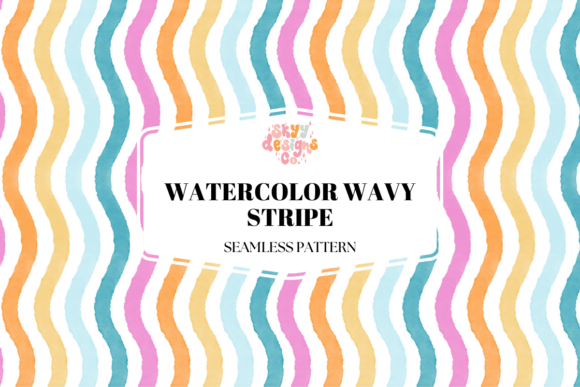
At its core, this pattern is a seamless repeat design, meaning it tiles perfectly to cover any surface without visible edges or awkward breaks. The "bright watercolor" aspect is key. It gives the stripes a soft, hand-painted quality with subtle variations in tone and texture. This prevents the design from looking flat or overly digital. The colors are saturated and vibrant, evoking feelings of sunshine, tropical vacations, and outdoor fun. The personality is decidedly casual and optimistic, making it a fantastic choice for projects aimed at a younger demographic or any brand wanting to project a friendly, energetic vibe. Its style bridges the gap between graphic precision and artistic warmth, offering a modern take on a classic motif.
Where This Pattern Truly Shines
Thinking about application is where a design asset proves its worth. The versatility of the Summer Wavy Stripes Pattern is one of its greatest strengths. It’s not confined to a single niche. In brand identity, it can be used as a background element for a logo on a business card, a header on a website, or the lining of a product box for a cosmetics or food brand. For packaging design, especially for products like summer beverages, swimwear, or artisanal goods, it adds shelf appeal and communicates the product's character instantly.
In the digital space, it’s perfect for social media graphics. Imagine an Instagram story background, a Facebook cover photo, or a Pinterest pin that needs to pop. The pattern grabs attention without overwhelming the text or product image placed on top. For web design, it can serve as a hero section background, a sidebar accent, or a footer element to add visual interest. For bloggers and publishers, it can be the foundation of a header image or a pull-quote design in an editorial layout. Even for personal projects like scrapbooking, custom stationery, or party invitations, it provides a ready-made, professional-looking backdrop.
Making It Work for Your Project
So, you've decided the vibe is right. How do you actually integrate it effectively? The key is to treat it as a supporting actor, not always the star. Its high energy means it can easily dominate a design. A practical approach is to use it in controlled doses. Consider using it for a background behind a clean, sans serif font for maximum readability. Alternatively, use it to create a color block or a section divider on a webpage. The pattern’s seamless nature at 12x12 inches and 300 DPI makes it ideal for print projects where quality is non-negotiable.
When it comes to font pairing, balance is everything. The organic, wavy nature of the stripes pairs beautifully with typefaces that have some inherent character. A clean, geometric sans serif can provide a modern, grounding contrast. A slightly rounded serif font can complement its friendly feel. For a more playful, thematic approach, a simple script font or a handwritten font could be used for headlines, but be cautious—this can quickly become overwhelming if not used sparingly. The goal is to create a visual hierarchy where the text remains king and the pattern enhances, rather than competes with, the message.
A Note on Practical Usage and Licensing
This is where we get into the nuts and bolts, and it’s crucial for any professional. The file you download is a high-resolution JPEG, which is widely compatible with design software from Adobe Photoshop to Canva. However, the most important part of the asset isn't the file itself—it's the license. The creator has explicitly outlined what you can and cannot do, and respecting this is fundamental to ethical design practice.
The core principle, directly from the policy, is that you cannot sell in a way that is directly competitive with the original item. This means you cannot take this Summer Wavy Stripes Pattern, make a minor color change, and sell it as your own pattern design. That would be a direct violation. The product you create must be "transformative." You must add distinctive new features that result in an entirely new product. For example, using this pattern as a background for a wedding invitation template you sell is likely acceptable. You are selling the invitation design, not the pattern. The pattern is a component. Similarly, using it as part of a larger, composite design for a t-shirt is fine, as the t-shirt design is the new product.
What is not allowed is bundling multiple such patterns together to sell as a "pattern pack" or simply recoloring and resizing it to sell as a competing asset. This protects the original creator's market and ensures the ecosystem remains fair. When in doubt, ask yourself: "Am I selling the pattern itself, or am I using the pattern to create something new?" If the answer is the former, you need to reconsider. Following these guidelines isn't just about compliance; it's about supporting the artists who create the design assets that make our own work better.
In the end, the Summer Wavy Stripes Pattern is more than a pretty graphic. It's a versatile tool that can bring a burst of summer energy to a wide range of projects. Used thoughtfully, respecting both its visual power and its licensing terms, it can become a valuable part of your creative toolkit, helping you produce work that is both beautiful and professionally sound.