Faux Rhinestone Tiger Design: Unleashing Fierce Elegance
When you need a visual element that communicates raw power and unapologetic luxury, the Faux Rhinestone Tiger Design steps into the spotlight. This isn't just another piece of digital clipart; it is a meticulously crafted piece of art that bridges the gap between the untamed beauty of nature and the high-end glamour of jewelry. For designers, entrepreneurs, and content creators, this specific style of artwork offers a unique tool to capture attention instantly. The visual language speaks of confidence and prestige, making it a standout choice for anyone looking to elevate their creative projects beyond the ordinary.
The Anatomy of a High-Impact Design
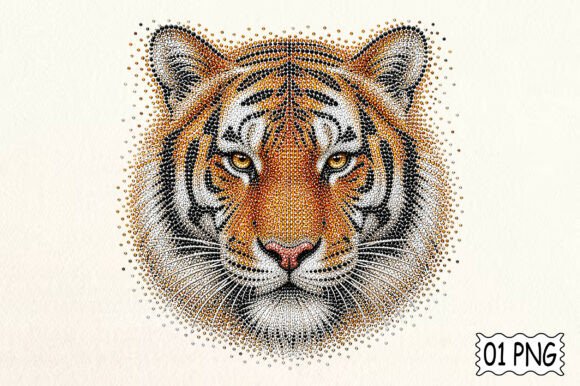
To truly appreciate the value of this asset, you have to look at the details. The core of the Faux Rhinestone Tiger Design lies in its duality. On one hand, you have the realism of the tiger—the intense gaze, the textured fur, and the anatomical accuracy of a front-facing predator. On the other, you have the abstract interpretation of that power through the rhinestone effect. This creates a fascinating visual tension. The "gems" catch imaginary light, adding a layer of tactile texture that jumps off the screen or the fabric. It transforms a standard wildlife image into a piece of luxury branding.
The composition is centered and deliberate. By focusing on the face, the design establishes an immediate emotional connection with the viewer. The eyes act as the anchor, drawing the user in before their gaze travels outward to appreciate the sparkling crystal textures. This is crucial for logo design or hero imagery where you have a split second to make an impression. The color palette usually relies on realistic tones—ambers, blacks, and whites—but the addition of "shine" through the gemstone effect adds a metallic, premium quality that feels expensive. This is the kind of premium font equivalent in the world of graphic assets; it signals quality immediately.
Strategic Applications: From Apparel to Brand Identity
The versatility of the Faux Rhinestone Tiger Design is one of its strongest assets. It moves fluidly across different mediums, provided you understand the context of its use. For the fashion-forward apparel market, this design is a goldmine. Imagine it centered on a heavyweight cotton t-shirt or a hoodie. The texture mimics actual bedazzled clothing, offering a bling aesthetic without the manufacturing cost or weight of real stones. It works exceptionally well for streetwear brands, fitness apparel (playing on the "beast mode" mentality), or accessories like tote bags and hats.
Beyond clothing, think about packaging design. If you are launching a product line that needs to convey intensity—perhaps a bold energy drink, a men's grooming product, or a high-end cosmetic line—this tiger face adds an immediate layer of fierceness. It acts as a mascot that isn't cartoonish but rather sophisticated. For digital creators, the transparent background makes it an ideal overlay for social media graphics or YouTube thumbnails. It pairs well with dark, moody backgrounds or stark white minimalist layouts, allowing the "gemstone" details to pop.
Integrating the Asset: Practical Design Considerations
Using a complex image like the Faux Rhinestone Tiger Design requires a bit of strategy to ensure it enhances rather than overwhelms your project. Because the image is visually dense with texture and detail, it behaves similarly to a heavy display font or a decorative serif font. You wouldn't use it for body copy or small details; it is meant to be the focal point.
When incorporating this into a layout, balance is key. If you are creating a poster or a t-shirt graphic, give the tiger breathing room. A crowded composition will muddy the sparkling details. Pair it with clean typography. A bold, geometric sans serif font usually works best here, as the clean lines of the letters provide a modern counterpoint to the organic, ornate nature of the tiger. Avoid pairing it with overly complex script fonts or handwritten fonts, as the visual competition can become chaotic and hurt readability.
For those working on brand identity, consistency is vital. If you choose the Faux Rhinestone Tiger Design as a central icon, ensure your color palette supports it. Since the design contains high-contrast shading and sparkle, your background colors should be solid and perhaps matte to create a textural contrast. Think velvet versus satin. This contrast helps the design pop, ensuring your message isn't lost in the visual noise.
Technical Quality and Commercial Utility
From a production standpoint, the file details matter. The design is provided as a high-resolution PNG with a transparent background. For the print-on-demand community or those involved in sublimation printing, this is non-negotiable. You need clean edges to ensure the design sits seamlessly on a product without a white box around it. The "print-ready quality" ensures that when you scale the image up for a large banner or a poster, the "rhinestones" retain their definition rather than becoming pixelated blobs.
It is also worth noting the licensing and usage aspect of such design assets. While this is a digital download, its value lies in its commercial application. Whether you are selling stickers on Etsy, creating merchandise for a band, or designing headers for a fashion blog, the asset is built to be integrated into finished products. It functions as a creative font does—it is a building block for your larger creative vision. By treating the Faux Rhinestone Tiger Design with the same respect you would give a high-end typeface—testing it, sizing it correctly, and pairing it thoughtfully—you ensure that the final product looks professional and intentional.