Antique Map Cartography Paper: Vintage Digital Assets
The Enduring Allure of Cartographic Design
There’s a certain romance to old maps—a tangible connection to the age of exploration, where the edges of the known world were sketched with ink and imagination. This is the exact feeling captured in a high-quality Antique Map Cartography Paper digital pack. It’s more than just a background; it’s a texture-rich, historically-inspired design asset that brings depth, narrative, and a classic explorer aesthetic to any creative project. For designers, crafters, and brand builders, these assets offer a versatile foundation for projects that need an authentic vintage feel without the hassle of scanning or editing actual antique ephemera.
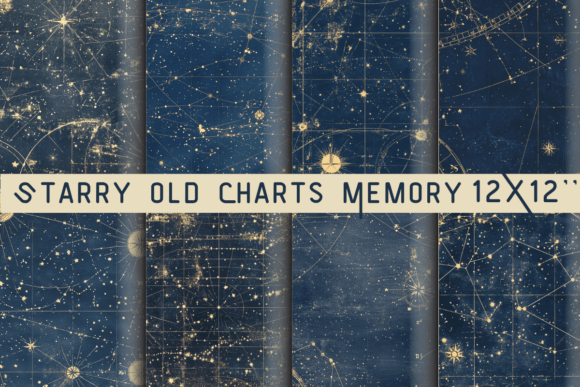
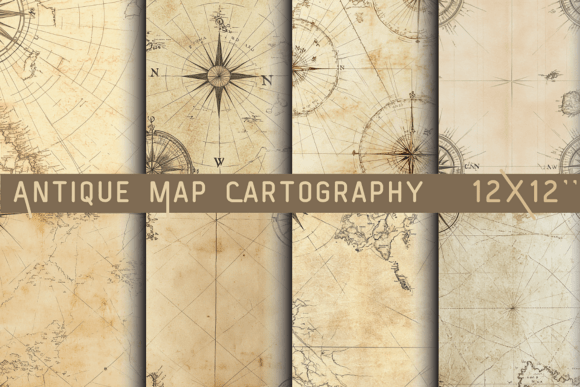
At its core, this collection provides 12 distinct, high-resolution designs. Think of each 12" x 12" (3600 x 3600 pixel) sheet as a carefully curated piece of visual history. The designs aren't random patterns; they are deliberate compositions featuring aged antique maps, intricate cartography lines, detailed compass roses, latitude/longitude grids, and beautifully weathered paper textures. The color palette is intentionally muted—sepia browns, aged beiges, antique creams, faded golds, and muted blues—creating a cohesive and versatile look that feels genuinely old.
Unlike transparent overlays, these are opaque backgrounds. This is a crucial practical detail. It means the designs are complete compositions. You can use a single sheet as the entire background for a scrapbook page, a journal spread, or a print design without worrying about what’s underneath. The 300 DPI resolution ensures that whether you’re printing a small planner insert or a large poster, the details remain crisp and professional. The file sizes (8–18 MB per page) are a direct result of this high quality, ensuring your final output is never pixelated or blurry.
Practical Applications for Modern Makers
So, where does Antique Map Cartography Paper truly shine? Its strength lies in projects that tell a story, evoke nostalgia, or require a layer of sophisticated, textural interest. The applications span far beyond traditional scrapbooking, touching on commercial branding, digital content, and personalized stationery.
For brand identity and packaging design, these backgrounds are invaluable. Imagine a specialty coffee brand, a craft distillery, or a travel agency using a subtly toned map grid as the backdrop for their logo or product labels. It immediately communicates heritage, craftsmanship, and a global perspective. Paired with a clean serif font for body text and a bold display font for headlines, the result is a brand identity that feels established and trustworthy. In editorial design—think magazine layouts, book covers, or menu designs—these textures can be used as section dividers or full-page backgrounds to create a rich, immersive reading experience.
Digital creators and marketers can leverage these assets for social media graphics and website design. A travel blogger could use a map background for their Instagram story highlights or as a base for quote graphics about exploration. A history podcast might use it for episode artwork. The key is to use the background to set the tone, then overlay clean, legible typography. Because the backgrounds are opaque and busy, pairing them with a simple sans serif font or a clean script font is often the best approach to maintain readability. This contrast between the complex background and the clean foreground text creates a strong visual hierarchy.
For personal projects, the possibilities are endless. The digital pack is perfect for creating custom junk journals, vintage scrapbook layouts, travel memory books, and DIY planner inserts. You can print the sheets on quality paper or cardstock to make ephemera, envelope liners, or unique stationery. The consistent color palette across the 12 designs ensures that different elements within a single project will harmonize beautifully, saving you the guesswork of color matching.
Integrating Vintage Assets with Modern Typography
The real design challenge—and opportunity—lies in balancing the ornate, historical nature of the Antique Map Cartography Paper with contemporary typography. The goal is to create a dialogue between old and new, not a clash.
Start by considering your project’s primary message. Is it elegant and formal? A classic serif font like Garamond or Baskerville can complement the historical feel. Is it more rustic or handcrafted? A handwritten font or a textured script font might work, but use it sparingly for headlines or accents to avoid visual chaos. For most professional applications—logos, business cards, web headers—pairing the map background with a modern, geometric sans serif font creates a clean, intentional look that feels both timeless and current.
Font pairing is critical here. A common and effective strategy is to use a bold display font for a short headline, a complementary serif or sans serif for subheadings, and a highly legible sans serif for any body copy or smaller text. Always test your typography on the actual background. Zoom in to check that letterforms are distinct against the cartography lines and textures. You may need to add a very subtle drop shadow or a semi-transparent shape behind text to ensure it pops.
When evaluating this digital pack for a commercial project, look beyond the aesthetic. Consider the commercial licensing terms. Most reputable digital asset packs allow for commercial use in end products like printed materials, digital downloads for sale, and client work, but it’s essential to verify. The value of a premium font or asset isn’t just in its beauty, but in the clarity of its license, which protects your business and your clients.
Ultimately, Antique Map Cartography Paper is a powerful design asset. It provides a ready-made foundation of texture, color, and narrative that can elevate a wide range of projects. By understanding its characteristics and pairing it thoughtfully with modern typography, you can create designs that are not only visually striking but also rich with story and professional polish. It’s a tool for makers who value depth, history, and quality in their creative work.